

Cheapest country to study abroad for Indian students
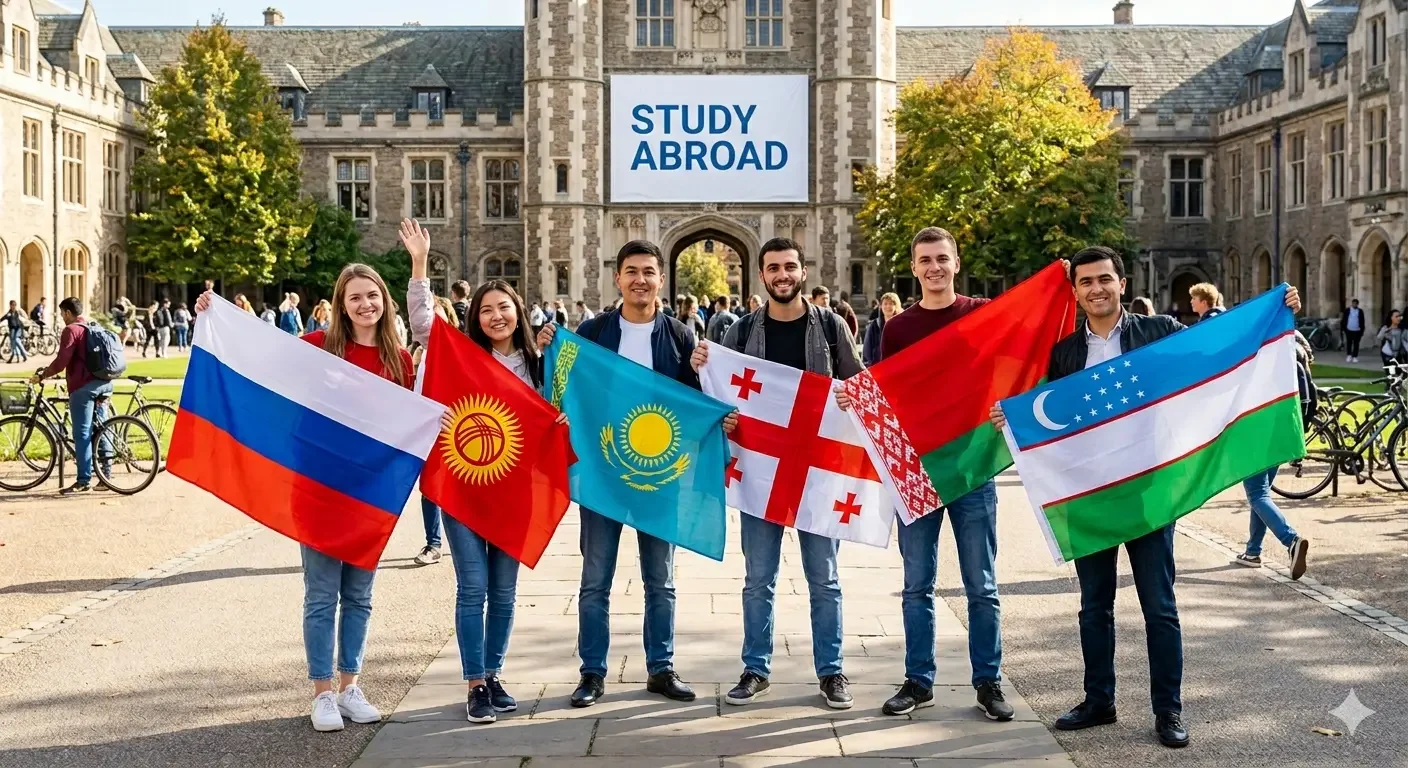
Due to India's seat shortage and growing expenses, MBBS is at the top of lists for Indian students seeking an inexpensive, high-quality education elsewhere. With their combination of low costs, NMC recognition, and English-medium programs, nations like Kyrgyzstan, Kazakhstan, and Uzbekistan stand out as the least expensive centers. Even though places like the USA, UK, Canada, and Australia are always popular, growing expenses and changes in the world economy have forced students to look at more reasonably priced yet excellent options.
Why Pursue an MBBS Abroad Low Cost ?
Overseas alternatives drop to 2.5–5 lakhs with global exposure, while domestic costs reach 10–25 lakhs annually. Every year, more than 50,000 Indians study MBBS abroad, attracted by shorter admissions without financial aid. In order to facilitate returns, NMC clarifies FMGE for online BS students prior to 2021, however it requires 54-month curricula and embassy documentation.
Important Things Indian Students Need to Think About :
- Living expenses and tuition
- Possibilities for scholarships
- Policies on working while studying
- PR routes and post-study work visas
- Compatibility of language and culture
- Worldwide acceptance of the degree
- Healthcare, safety, and student support services
Cheapest Country to Study MBBS in Abroad for Indian Students 2026-27 :
 1. Kyrgyzstan:
With a total cost of 13–20 lakhs for 5.5–6 years, Kyrgyzstan is the country with the study mbbs in abroad at low cost. Living expenses range from 10,000 to 15,000 per month, while universities such as Kyrgyz State Medical Academy charge 2.5L per year. Adjustment is made easier by English education, NMC/WHO approval, and a large Indian network (more than 20,000 students).
FMGE coaching centers and upgraded hostels. Negative aspects? Choose southern universities because winters can drop as low as -20°C. FMGE pass rate is about 25%, increasing with preparation.
Medical universities in Kyrgyzstan place a strong emphasis on practical clinical training, frequently collaborating with nearby hospitals to provide students with practical medical experience. For overseas students, the country's low cost of living with beautiful scenery are major advantages.
Degrees from medical schools are recognized by numerous international organizations, guaranteeing their validity in India and many other nations. Additionally, Kyrgyzstan promotes cultural fusion through language classes and student organizations.
It is now a competitive location for reasonably priced medical education in Central Asia thanks to the government's efforts to raise educational standards and infrastructure.
Advantages :
- Very low tuition fees
- Simple admission process
- English-medium education
- Safe for Indian students
- The annual cost of tuition ranges from $3,000 to $5,000.
- Monthly living expenses are estimated to be between $100 and $200.
- Overall Cost (5–6 years): Between $18,000 and $28,000.
- Highlights: With numerous colleges accredited by the WHO, MCI, and other international organizations, Kyrgyzstan provides reasonably priced medical education. International students are drawn to the program because of its affordability, high-quality instruction, and ample clinical exposure.
- Additional Information: The nation welcomes international students and offers English-language courses. Its appeal is further increased by the reduced cost of living.
MBBS Duration: 6 years
Medium: English
 2. Kazakhstan:
With a total cost of 20–35 lakhs, Kazakhstan is the most affordable country. With institutions making significant investments in cutting-edge facilities and equipment, Kazakhstan is quickly emerging as a center for medical education. With streamlined admissions procedures and student-friendly immigration regulations, the government actively encourages overseas students.
To aid students in their academic and linguistic adjustment, several Kazakhstani universities provide preparation courses in both Russian and English. Extracurricular activities are abundant, and the nation's multiethnic society fosters a friendly environment for international students. Additionally, Kazakhstan offers graduates opportunities to pursue postgraduate education both domestically and outside. It is becoming more and more popular among Indian medical hopefuls because to the combination of reasonable prices and high-quality education.
Semey Medical University: 8k per month for hostels, 3.5L for tuition. Almaty is a safe, contemporary city with robust hospitals and English programs.
30% FMGE advantage above peers, authorized by the NMC: Infrastructure booms and digital visas accelerate intake. Living: 15–20k per month, enough of Indian goods.
Why Choose Kazakhstan?
- NMC-approved universities
- Good infrastructure
- Lower living expenses
- Typically, tuition costs range from $3,500 to $6,000 per year.
- Monthly living expenses range from $150 to $300.
- The estimated total cost over a period of five to six years is between $22,000 and $33,000.
- Highlights: With its sophisticated facilities and reasonably priced tuition, Kazakhstan is becoming more and more well-known as a center for medical education. International medical authorities are progressively recognizing its universities, which offer high-quality education with an emphasis on clinical training.
Additional Information: The nation provides a secure and welcoming atmosphere for students, and English-medium MBBS courses are offered. Kazakhstan is a promising option for those who want to become doctors because of its advantageous location and expanding infrastructure.
MBBS Duration: 6 years
Medium: English
 3. Uzbekistan:
Bukhara State fixed 21L, while Uzbekistan surged with a total of 21–35 lakhs. New English songs, a Silk Road feel, and low living (12k/month). Tashkent hubs modernize; NMC lists more than ten universities. With large government investments in teacher training and university facilities, Uzbekistan is growing its medical education industry. The nation provides students with a thorough education by combining traditional medical knowledge with contemporary teaching methods.
Universities in Uzbekistan promote community health initiatives and research involvement. Student life is enhanced by the cosmopolitan setting, which incorporates elements of Islamic, Russian, and Central Asian traditions. The study experience is made more historically significant by Uzbekistan's advantageous location on the historic Silk Road. International students can effectively adapt thanks to the nation's student support services, which include career counseling and language support.
Indian scholarship pilots and e-visas.
Cons: FMGE ~22%; early language mix. Everyone can find a halal refuge.
Key Benefits
- Low tuition fees
- English-taught programs
- Growing Indian student presence
- The annual cost of tuition ranges from $3,000 to $5,000.
- Living Expenses: Between $100 and $200 a month.
- Over the course of five to six years, the total cost was between $18,000 and $28,000.
- Highlights: Due to its affordable living and tuition prices, Uzbekistan is becoming known as a promising location for medical education. English-language courses are offered by reputable universities in this area.
Extra Information: The nation offers a multicultural experience and has a rich past. It is a feasible option for MBBS students due to expanding infrastructure and government backing for education.
MBBS Duration: 6 years
Medium: English
 4. Russia:
Although not the cheapest, Russia's 25–50 lakhs total delivers status. Large facilities, Volgograd 3.5L/year. Top-50 universities benefit from FMGE adjustments; Indian mess thrives despite harsh winters. Russia's MBBS programs are well-liked because of the country's emphasis on scientific research and innovation in medical education, in addition to their reasonable tuition. Access to cutting-edge medical technology and a curriculum that incorporates real-world clinical practice from an early age are advantageous to students.
Numerous Russian universities work with other countries, offering exchange programs and exposing students to worldwide medical norms. The nation's dynamic cities and varied climate provide a distinctive cultural experience. Additionally, international students may be eligible for state-funded seats and scholarships, which further lowers expenses. Gaining proficiency in Russian improves internship and employment opportunities in Russia's vast healthcare system.
Why Russia?
- NMC & WHO recognized universities
- No entrance exam (except NEET qualification)
- Strong clinical exposure
- Large Indian student community
- The average annual tuition cost is between $3,000 and $6,000.
- Monthly living expenses range from $150 to $250, depending on the city.
- Overall Cost (5–6 years): Between $20,000 to $30,000.
- Highlights: International organizations including the Medical Council of India (MCI) and the World Health Organization (WHO) recognize Russian medical schools. The nation provides top-notch medical education with knowledgeable instructors and well-equipped facilities. While studying Russian is useful for everyday life and clinical practice, several colleges offer MBBS courses in English.
Additional Information: Research and internship possibilities are available in a multicultural setting in Russia. It is a desirable location for Indian students due to the comparatively inexpensive cost of living and tuition.
 5. Georgia:
Georgia's 30–50 lakhs is slightly higher, but its proximity to the EU is evident. Tbilisi, wine-country life, 4-6L/year. NMC stringent after 2023; emphasizes clinical hours. Georgia's medical schools are renowned for their student-centered philosophy, which encourages individualized learning through flexible curricula and smaller class sizes.
In order to increase the degree's international acceptance, the nation has been concentrating on bringing its medical education standards into line with European standards. Students like the opportunity to learn about Georgia's natural beauty and rich history outside of the classroom, as well as the friendly and secure atmosphere. English is frequently used in academic institutions, and the cost of living is affordable. Georgia's advantageous location between Europe and Asia offers students special chances to network professionally and culturally.
Georgia, why?
- No costs for donations or capitation
- European way of life
- MBBS in English
- The annual cost of tuition is between $4,000 and $6,500.
- Living Expenses: Between $150 and $300 per month.
- The estimated total cost over a period of five to six years is between $25,000 and $35,000.
- Highlights: Georgia is becoming a popular choice for MBBS students because of its reasonable tuition, accredited degrees, and tranquil surroundings. English-medium courses with a heavy emphasis on clinical practice are offered by its universities.
Additional Information: The nation is known for its safe living conditions and rich cultural legacy. The MCI and WHO recognize degrees from Georgian medical universities, opening up international job options.
Duration of MBBS: 6 years
English is the medium.
 6. Belarus :
Belarusian medical schools emphasize practical clinical experience from an early age and combine traditional medical education with contemporary research facilities. The nation has a strong healthcare system, and students can obtain real-world experience in a variety of medical facilities. International students are drawn to Belarus because of its reputation for a clean, safe environment and reasonably priced housing.
The government facilitates international students by streamlining the visa and admission processes. To improve language proficiency and employment, numerous universities offer courses in both Russian and English. Additionally, Belarus organizes international medical conferences and student exchange programs that provide networking opportunities and exposure to worldwide medical breakthroughs.
Belarus Why ?
- Typically, tuition costs fall between $4,000 and $7,000 each year.
- Living Expenses: Between $150 and $250 a month.
- The estimated overall cost over a period of five to six years is between $25,000 and $35,000.
- Highlights: Belarus has universities accredited by the World Health Organization (WHO) and the Medical Council of India (MCI) that provide reasonably priced medical education. The nation places a strong emphasis on comprehensive clinical training, giving students practical exposure in state-of-the-art medical facilities.
- Additional Information: The cost of living in Belarus is affordable, and the country is safe and welcoming to students. English-language MBBS programs are offered by numerous universities, and as the nation's reputation grows, more Indian medical hopefuls are choosing to study there.
Cheapest MBBS Countries – Quick Comparison Table
| Country | MBBS Cost (INR) | Medium | NMC Approved |
| Kyrgyzstan | 20–28 lakh | English | Yes |
| Russia | 25–40 lakh | English | Yes |
| Kazakhstan | 25–34 lakh | English | Yes |
| Uzbekistan | 28–37 lakh | English | Yes |
| Georgia | 40–50 lakh | English | Yes |
Other Top Best Countries to Study Abroad :
1. America's United States (USA)
Why It's Well-liked
- Top colleges in the world (Harvard, MIT, Stanford, etc.)
- Innovative studies, internships, and employment opportunities
- Strong international recognition
Disadvantages
- Increased living expenses and tuition (typically the most expensive)
- Complicated visa procedures and competitive admittance
Best for
Research, Computer Science, Engineering, Business, and Medicine
2. Canada
Why It's Expanding Quickly
- Reasonably priced in comparison to the US
- Post-study work visas (PGWP) are simple and generous.
- High standard of living and security
Positive Aspects
- An environment that is inclusive and diverse
- Many Indian pupils claim that adjusting is simpler.
- An excellent route to permanent residency
Best for
Finance, Engineering, IT & Computer Science, and Hospitality
3. Australia
Highlights
- Excellent instruction and a secure setting
- Robust post-study work permits (up to four years)
- Leading universities for research
Things to Think About
The cost of living is higher than in Europe or Asia.
Best for
IT, business, engineering, and healthcare
4. Germany
Why It's Among the Cheapest
- For international students, the majority of public universities charge little administrative fees in addition to low or no tuition.
- Robust engineering and STEM programs
- Strong ecosystem for scholarships (DAAD, Erasmus+)
Living Expenses
Moderate, particularly in small cities
Employment and Residency
Students can work about 20 hours a week and have the opportunity to remain after graduation for at least 18 months.
Best for
Robotics, Natural Sciences, AI/Data Science, and Engineering
5. France: Inexpensive and Cultured
Cost-effectiveness
Tuition at public universities is comparatively cheap, at about 2.2–3 lakh per year.
Benefits
Numerous scholarships, English and French programs, and rich cultural exposure
Top Sectors:
Business, Engineering, Arts & Design, and Hospitality
FAQs, or frequently asked questions
1. Where can Indian students study abroad for the least amount of money?
Some of the most affordable travel locations are Germany, Norway (which offers tuition-free choices), Poland, and Malaysia, all of which have extremely low tuition rates.
2. Is it possible for foreign students to work while studying overseas?
Yes! The majority of nations permit full-time employment during breaks and part-time employment throughout semesters.
3. Are degrees from reasonably priced nations accepted around the world?
Yes, degrees from Canada, Germany, France, and other countries on this list are regarded throughout the world.
4. Which nation offers the most employment prospects after graduation?
Longer post-study visas are common in Canada, the UK, Germany, and Australia.
5. What is the required amount of money for a student visa?
The amount needed varies by nation, but it usually covers living expenses and tuition for a year.
6. Do I need to take the TOEFL or IELTS?
Although some colleges give exemptions based on academic achievements, many programs need English proficiency tests.
7. Is admittance more difficult in less expensive nations?
The competition of the program, not the cost of the nation, usually determines the difficulty of admission.
8. Can scholarships cover the entire cost of my study abroad program?
Yes, you can obtain full scholarships that cover both living expenses and tuition if you submit outstanding applications.
9. Should I take into account nations that do not speak English?
Yes, English-taught programs with a high return on investment are currently offered by several European universities.
In conclusion
Choose the "expensive" popular options is no longer the only way to study abroad. Indian students may now mix quality and affordability like never before because to changing global dynamics, astute financial preparation, and new, reasonably priced travel locations. There is a location that fits your academic objectives and financial constraints, regardless of whether you want to study in Europe, North America, or Asia.
Make a decision that is in line with your professional objectives, start early, look into scholarship opportunities, and evaluate your work options. Making the appropriate choice now is the first step in your worldwide education journey.
More Blogs :
MBBS Abroad Without Donation: A Complete Guide for Indian Students
MBBS in Abroad : Choose Your Best Country for Medical Degree's
Medical Study in Russia for Indian Students
Top 10 Cheapest Medical University in Russia 2025–2026
Which affordable MBBS universities abroad are NMC/WHO recognized ?