

Far Eastern Federal University
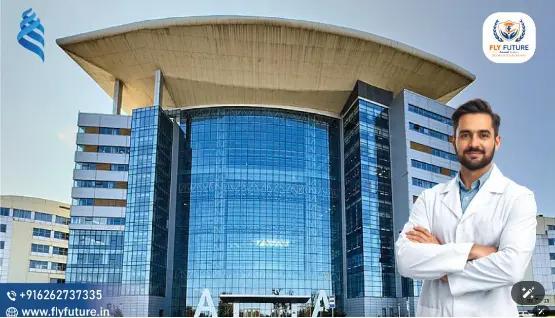
Far Eastern Federal University FEFU | Study Abroad in Russia 2026-27
The Far Eastern Federal University is one of the largest universities that was founded in 1899 and is located in Vladivostok, Russia. The university is located in the Russian Far East, which is the best scientific and educational center in the Asia-Pacific region. It has one of the largest science laboratories with a collection of modern equipment to provide better clinical training. Mbbs in Russia is most popular among students.
It ranks among the top medical universities in Russia, allowing thousands of foreign students to benefit. FEFU is considered one of the best universities selected by the Ministry of Education and Science of Russia.
The Far Eastern Federal University received the highest rating and became one of the best medical universities in Russia. According to the US News Global Universities ranking, the university is ranked 18th in the country, 534th in Europe and 1441st in the world.
Far Eastern Federal University has nine academic colleges. The university has more than 300 educational initiatives. It serves as a central meeting point for Russian and international experts. A leading organization in science, education and innovation. You can practice in any country after completing the MBBS program.
FEFU's School of Medicine and Life Sciences offers a six-year General Medicine program in English, making it especially relevant for Indian students. According to official university information, the program culminates in a Russian Specialist Degree and is taught in English for six years.
Unlike many medical universities that concentrate almost entirely on medicine, FEFU does not. Programs in medicine, life sciences, engineering, information technology, economics, law, international studies, education, humanities, and other subjects are offered at this comprehensive federal university. Medical students may have the chance to engage with researchers and students from other fields in this more expansive academic setting.
The fact that FEFU's campus is not situated in a typical central-city university district makes it especially unique. Its main campus, which is located on Russky Island close to Vladivostok, offers students access to a sizable, purpose-built learning environment encircled by the Pacific coast of Russia.
Significant medical infrastructure has also been developed by the university. A medical facility with hospital facilities, specialized departments, cutting-edge diagnostic tools, operating rooms, and chances for biomedical research is described in FEFU's official materials.
Global Recognition of FEFU Degree
- 1. The World Health Organization (WHO) has acknowledged The World Health Organization (WHO) has accepted the medical degree from FEFU and it is listed in the World Directory of Medical Schools (WDOMS). This makes it possible for graduates to work and continue their education anywhere in the world.
- 2. The National Medical Commission (NMC) of India
The National Medical Commission (NMC) of India has approved NMC accreditation is one of the most important factors for Indian students. FEFU is approved by the NMC, therefore graduates can: Take the Indian FMGE/NExT test. After receiving clearance, register with the Medical Council of India. practice medicine lawfully in India. - 3. Qualified to Take International Licensing Examinations A degree from FEFU makes students eligible for licensing tests across the globe, such as: In the United States, the USMLE (United States Medical Licensing Exam)
Far Eastern Federal University Ranking :
Country : 18
World : 1441
QUICK HIGHLIGHTS ABOUT FAR EASTERN FEDERAL UNIVERSITY
| Particular | Details |
| University | Far Eastern Federal University |
| Common Abbreviation | FEFU |
| Country | Russia |
| City | Vladivostok |
| Main Campus | Russky Island |
| Region | Russian Far East |
| Academic Profile | Multidisciplinary university |
| Medical Education | Medicine and biomedical disciplines |
| General Medicine Duration | 6 years |
| International Students | Yes |
| Campus Type | Large modern university campus |
| Major Advantage | International and Asia-Pacific orientation |
| Medical Infrastructure | FEFU Medical Center and biomedical facilities |
| Study Environment | Residential university campus |
| Climate | Cold winters and mild-to-cool coastal conditions |
ELIGIBILTY FOR ADMISSION IN MBBS AND REQUIRED DOCUMENTS:-
ELIIBILTY CRITERIA
- The candidate must having the Indian nationality.
- The applicant must have clear the 12th standard with the subjects Physics, Chemistry, Biology and English.
- The applicant must complete 17 years of age on or before 31st Dec of applying year.
- The applicant must clear NEET exam.
REQUIRED DOCUMENTATION
- 10th and 12th passing mark sheets and transfer certificates
- Bachelor’s passing mark sheet and transfer certificates
- Copy of the international passport ( Should have minimum validity of 2 years) and any other ID proof.
- 8 passport size photograph.
- Bank Balance certificate or Financial documents.
- A return air ticket with the open return date of leaving during 1 year on arrival.
- Meental and physical fitness certificated attested by ministry of foreign affairs.
- Birth certificate on arrival
HOSTEL ACCOMODATION:-
- Every rooms of the campus are integrated with a bed, pillow, mattress, blanket, desk with chair, water heaters and suitable lighting for both study and relaxation.
- All hostel rooms are furnished and vary in size and with the wifi facility in most of the rooms.
- Dormitory rooms can accommodate 2 or 3 students in each room.
- There are common areas where students can mingle and can arrange sports and cultural and educational program.
- Every room in the campus is assembled with kitchen for students to cook food to their own Choice. Students will only need to arrange their own utensils and cooking meals.
- The administrative unit of the university is responsible for housekeeping, room cleaning and student’s security.
- For foreigner students there is a mess facility provided by the campus according to their food.
- Attached washrooms are provided in all the rooms
Far Eastern Federal University Fees Structure 2026-27
| University | 1st Year | 2nd Year | 3rd Year | 4th Year | 5th Year | 6th Year | Total |
|---|---|---|---|---|---|---|---|
| Far Eastern Federal University | 4,95,000 RUB | 4,95,000 RUB | 4,95,000 RUB | 4,95,000 RUB | 4,95,000 RUB | 4,95,000 RUB | 29,70,000 RUB |
| Far Eastern Federal University | 4,95,000 INR | 4,95,000 INR | 4,95,000 INR | 4,95,000 INR | 4,95,000 INR | 4,95,000 INR | 29,70,000 INR |
Note :
1 RUB = 1 INR
Hostel Fee : 22500 RUB = 22500 INR Per Year (Approx)
Visa & Medical Insurance : 15000 RUB = 15000 INR Per Year (Approx)
Why to Choose Far Eastern Federal University ?
- Far Eastern Federal University is recognized and approved by NMC and WHO.
- For all programs, Far Eastern Federal University offers an innovative learning process.
- FEFU has excellent facilities for both study and recreation.
- International Environment consists of a large number of students from all over the world.
- The university also provides comfortable dormitories and a safe campus environment.
- Combines education, research, sports and creative activity.
- For study purposes, Far Eastern University is supported by an advanced and development center.
- Far Eastern Federal University's medical degree is recognized worldwide, which means you can practice in any country after completing the MBBS program at Far Eastern Federal University.
- Students can complete their medical studies at a reasonable cost thanks to the commendable fee structure of Far Eastern Federal University.
- The infrastructure of Far Eastern Federal University, which includes laboratories and educational facilities, makes the university the most prestigious institution for medical studies. Far Eastern Federal University offers excellent education with highly qualified teachers.
- Available all the time in case students face any difficulty or doubt.
Due to its geographic location, the university has easy access to nations like India, China, Japan, South Korea, and other Pacific economies.
Students who wish to study in a multicultural setting may find this international orientation especially appealing.
With research, cutting-edge equipment, and collaborations with businesses and organizations, the university bills itself as a significant scientific and educational hub for the Far East.
The development of FEFU also includes structures specifically for life sciences and medicine. As part of its academic growth, the university established the Institute of Life Sciences and Biomedicine and the School of Medicine.
FEFU Medical Education: Comprehending the Framework
When students look up "MBBS at FEFU," they should be aware that Russian and Indian terminology can be different.
- General Medicine is the program that FEFU has listed.
- According to the university's international materials, the duration is six years.
- Foundational sciences are typically followed by clinical specialties and hands-on training in a medical curriculum.
Students should expect medical education to involve areas such as:
- Anatomy
- Histology
- Physiology
- Biochemistry
- Microbiology
- Pathology
- Pharmacology
- Immunology
- Internal medicine
- Surgery
- Pediatrics
- Obstetrics and gynecology
- Neurology
- Psychiatry
- Public health
- Emergency medicine
- Clinical diagnostics
- Practical medical training
FEFU Medical Centre and Clinical Infrastructure
One of the most important factors in medical education is clinical exposure.
FEFU's official university materials describe a substantial medical centre associated with the university's biomedical and medical education environment. The materials describe a hospital with approximately 200 beds, multiple medical departments, surgical facilities, rehabilitation infrastructure and advanced diagnostic capabilities.
The published material has described departments and services involving areas such as:
- Neurology
- Neurosurgery
- Traumatology
- Orthopedics
- Surgery
- Therapy
- Cardiology
- Pediatrics
- Women's health
- Intensive care
- Rehabilitation
- Diagnostic medicine
Far Eastern Federal University vs Top Russian Medical Universities
| Feature |
|
First Moscow State Medical University | Kazan Federal University | |
| National Ranking | #11–16 | Top 3 | Top 10 | |
| QS World Univ. Rank | #631–731 (2025/26) | #651–700 | #450 | |
| WHO/NMC Recognition | WHO/NMC Recognition | Yes | Yes | |
| English Medium | Yes | Yes | Yes | |
| FMGE (India) Pass Rate | 60–65% | 80%+ | 68% | |
| Indian Student Support | Yes (Indian mess, clubs) | Yes (Indian mess, clubs) | Yes |
Far Eastern Federal University vs Indian Medical Universities
|
FEFU (Russia) | Top Indian Govt. Med. College | Top Indian Pvt. Med. College | |
| Degree Duration |
|
5.5 years (with internship) | 5.5 years (with internship) | |
| NEET Requirement | Yes | Yes | Yes | |
| Medium of Instruction | English | English | English | |
| NMC Recognition | Yes (NMC Listed) | Yes | Yes | |
| FMGE Pass Rate | 60–65% | N/A (not required) | N/A (not required) | |
| Donation/Capitation | No | No | No | |
| International Exposure | High | High | High | |
| Indian Mess Facilities | Yes | Yes | Yes |
 FEFU's Clinical Exposure
One of the best indicators of the usefulness of medical education is clinical exposure.
A student may struggle to gain clinical confidence if they spend years studying theory but have little opportunity to interact with patients under supervision.
Ideally, a medical student should be exposed in a structured way to:
Learning at the Bedside
Students can gain knowledge of how to take histories, interact with patients, and comprehend clinical presentations.
Rotations within Departments
Students can learn about various specialties by being exposed to a variety of departments.
Praticals Skills
Clinical procedures should be gradually introduced to students in medical education under the proper supervision.
Diagnostic Interpretation
Students must understand the role that imaging results, laboratory testing, and clinical data play in diagnosis.
Emergency Medical Care
Students learn how to make decisions under pressure when they are exposed to urgent medical situations.
Practical Training or Internship
The last phases of medical school should offer organized chances to solidify clinical expertise.
FEFU Campus Life
| Campus-life area | Facilities and activities | Benefits for students |
| Student organizations | Student unions, interest groups and campus associations | Helps students build friendships and develop leadership skills |
| Sports | Gyms, sports grounds, fitness activities and team competitions | Supports physical health and stress management |
| Cultural activities | Cultural festivals, national celebrations, music, dance and social programmes | Encourages cultural exchange and helps international students adjust |
| Academic clubs | Subject-based clubs, study groups and academic societies | Promotes peer learning and academic collaboration |
| International student activities | Events and activities involving students from different countries | Creates a multicultural environment and reduces homesickness |
| Research groups | Research projects, laboratory activities and faculty-led initiatives | Gives students exposure to research and innovation |
| Conferences | Academic conferences, seminars, lectures and presentations | Improves professional knowledge and communication skills |
| Recreational opportunities | Social gatherings, outdoor activities and leisure programmes | Helps students maintain a balanced lifestyle |
| Integrated campus environment | Academic buildings, residential facilities and student services in one location | Makes daily life more convenient and reduces travel time |
Accommodation and Hostel Facilities
| Hostel factor | What students should confirm before admission |
| Hostel availability | Whether accommodation is guaranteed or provided subject to availability |
| Room-sharing arrangements | Number of students per room and the possibility of requesting a specific room type |
| Hostel fees | Annual or semester-wise accommodation charges |
| Security deposit | Whether a refundable deposit is required |
| Kitchen facilities | Availability of shared kitchens, cooking equipment and storage space |
| Laundry facilities | Availability and cost of washing machines or laundry services |
| Internet access | Whether Wi-Fi is available in rooms or common areas |
| Heating | Type of heating provided, especially during the winter months |
| Cleaning arrangements | Frequency of cleaning and responsibility for maintaining rooms |
| Visitor rules | Regulations regarding guests, entry and exit timings |
| Distance from classrooms | Walking or transport distance between the hostel and academic buildings |
| International student accommodation | Whether dedicated rooms or facilities are available for international students |
| Maintenance support | Procedure for reporting repairs and maintenance issues |
| Safety and security | Availability of security staff, access control and emergency procedures |
| Hostel contract | Terms related to cancellation, relocation and renewal |
Food and Living Arrangements for Indian Students
| Food and living consideration | Questions Indian students should ask |
| Vegetarian food | Are vegetarian meals available on campus or near the hostel? |
| Cooking facilities | Is cooking permitted in the hostel, and is a shared kitchen available? |
| Indian ingredients | Can students purchase rice, lentils, spices and other familiar ingredients locally? |
| Grocery stores | How far are supermarkets and international grocery shops from the campus? |
| Halal food | Are halal food options available for students who require them? |
| Dietary requirements | Can the university or hostel accommodate allergies or specific dietary needs? |
| Food budget | What is the estimated monthly cost of food and groceries? |
| Campus cafeterias | Do university cafeterias provide affordable and varied meals? |
| Meal timings | Are food outlets open during weekends and holidays? |
| Food storage | Is refrigerator or storage space available in the hostel? |
| Home-style meals | Can students prepare Indian food in the accommodation? |
| Eating habits | Will students need to adjust to Russian cuisine and local meal patterns? |
Costs to Consider Beyond Tuition
| Expense | What Students Should Check |
| Tuition | Annual program fee |
| Hostel | Room and accommodation charges |
| Food | Monthly living expenses |
| Insurance | Required medical insurance |
| Visa | Visa and extension-related costs |
| Registration | Migration/administrative charges |
| Travel | Flights and local transportation |
| Study Materials | Books and equipment |
| Clothing | Winter clothing |
| Personal Expenses | Mobile, recreation and daily needs |
Benefits of FEFU Medical Education
Modern Campus Setting
An integrated university experience is provided by the Russky Island campus.
Healthcare Facilities
A substantial clinical and research infrastructure is provided by the university's medical center.
Multidisciplinary Education
Science, technology, business, and other fields coexist with medicine.
Global Exposure
Exposure to a diverse student body is possible due to FEFU's location and international focus.
Possibilities for Research
A setting that emphasizes research can help students who are interested in biomedical science.
Large University Ecosystem
Students have access to a broad academic community rather than a narrowly specialized institution.
FEFU Admission Process for Indian Students
Admission procedures can change according to the program and academic year.
A typical international admission process may involve the following stages.
Step 1: Select the Program
Confirm that the intended medical program is currently accepting international students.
Step 2: Check Eligibility
Review academic qualifications and other admission conditions.
Step 3: Prepare Documents
Common documents may include:
- Passport
- School certificates
- Academic transcripts
- Photographs
- Medical documents
- Application forms
- Translations
- Other university-specific documents
Step 4: Submit the Application
Apply using the current international admissions procedure at the university.
Step 5: Finish Any Necessary Selection Procedure
Candidates may need to meet examination or other selection requirements, depending on the program.
Step 6: Get a confirmation of admission
Relevant university documentation is sent to successful applicants.
Step 7: Pay Fees According to the Official Contract
Only after examining the official fee agreement and admission paperwork should students make their payment.
Step 8: Visa Process
When applying for a visa, the student uses the official invitation and any necessary supporting documentation.
Step 9: Travel to Russia
Students should carry all required original documents.
Step 10: Complete University Registration
After arrival, students complete the required university and migration formalities.
FAQ's:
1. What is the address of Far Eastern Federal University Russia ?
The Russian Far East region's Vladivostok is home to FEFU. The university's gorgeous campus, which offers views of the ocean and a contemporary, environmentally friendly learning environment, is located on Russky Island.
2. Does FEFU Russia have international recognition ?
Yes, FEFU is acknowledged for its academic quality worldwide and by the Russian government as well as other international organizations, such as the WHO, UNESCO, and NMC (National Medical Commission of India).
3. What are FEFU's primary academic specialties ?
FEFU provides courses in:
- Technology and Engineering
- Health Sciences & Medicine
- Economics and Business
- The Natural Sciences
- Social Sciences and Humanities
- Asian Studies and International Relations
- Computer Science and IT
4. What language proficiency standards apply to students from other countries ?
For programs taught in Russian: If you don't speak Russian, you must enroll in a one-year preparatory course.
IELTS/TOEFL or comparable evidence of English proficiency (if relevant) is required for programs taught in English.
5. How long does FEFU's MBBS program last ?
Far Eastern Federal University's six-year MBBS curriculum includes a one-year clinical internship.
6. Do foreign students have options of scholarships ?
Yes, Among the options are:
- Scholarships from the Russian government (free tuition plus a monthly stipend)
- FEFU Scholarships (based on merit)
- Scholarships in ASEAN and BRICS
7. Does FEFU offer accommodation ?
Yes, On Russky Island, FEFU offers contemporary dorms at reasonable prices (around $20 to $50 per month).
8.How is life on campus at FEFU ?
The campus has:
- Sports facilities (football fields, gym, and pool)
- Clubs for students and cultural activities
- Shopping malls and cafeterias
- Beach access & scenic views
9. What are the requirements for MBBS admission ?
- A minimum of 50% in Physics, Chemistry, and Biology (PCB) in the 12th grade is needed for the general category, and 40% is needed for limited categories.
- For Indian aspirants, a qualified NEET-UG is required.
- The minimum age is 17 by December 31 of the year of entry.
10. What documentation is needed to get admitted ?
- Grades 10 and 12 mark sheets
- Proof of NEET qualification
- A valid passport and pictures
- Medical certification (reports for COVID-19 and HIV may be needed)
- Proof of age
11. How can I get a Russian student visa ?
After admission, FEFU provides an invitation letter to apply for a student visa at a Russian consulate.
12. Do I require health insurance ?
Yes, all overseas students must have health insurance.
13. When does FEFU's university year begin ?
The academic year typically starts in September. Because there are just a few spots available for MBBS programs, students should apply as soon as possible. The application process begins in April or May.
Are you planning to study in Far Eastern Federal University 2026-27 ?