

Karakalpakstan Medical Institute KKMI
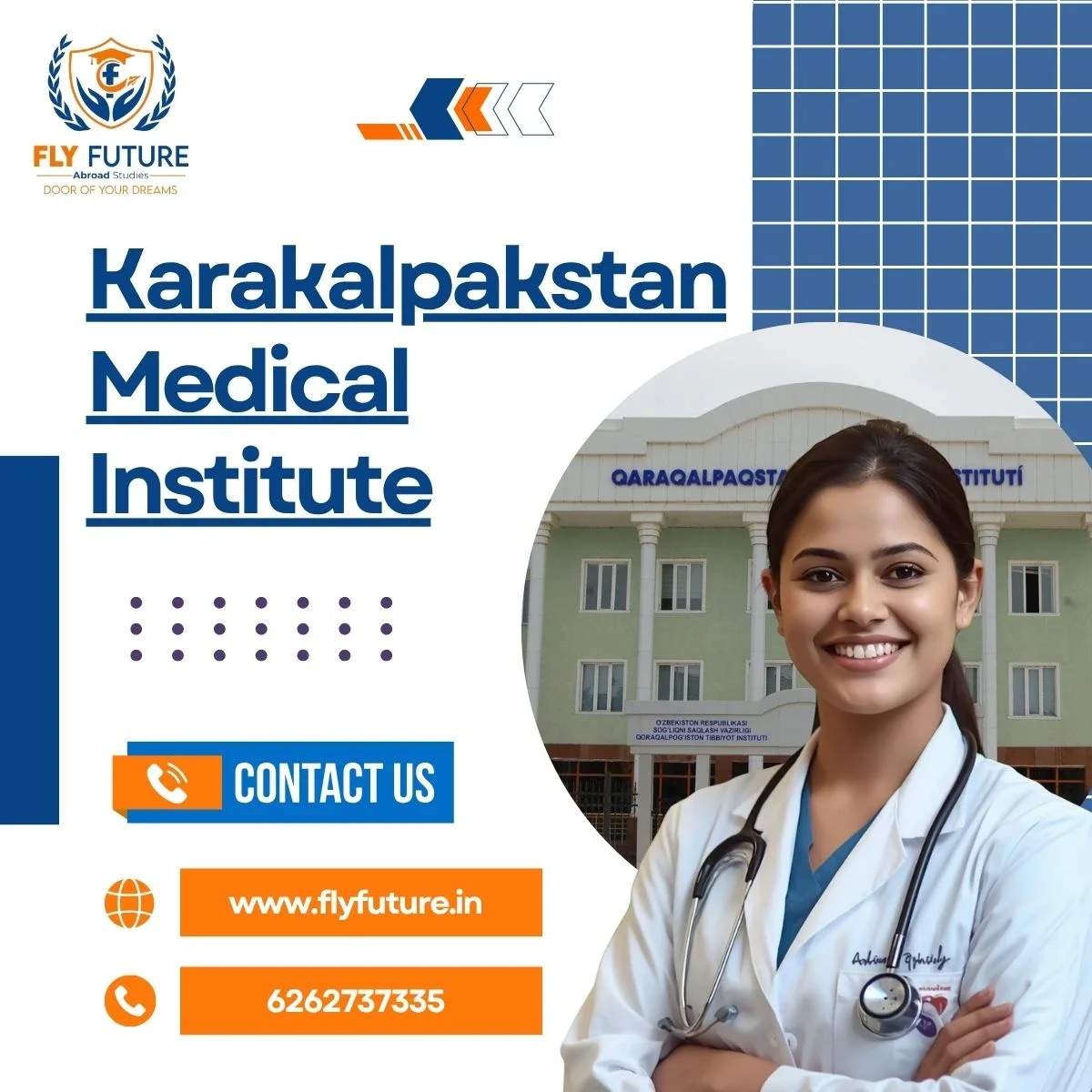
The Karakalpakstan Medical Institute (KKMI) is one organization that has received a lot of attention. The institute, which is situated in Nukus, the capital of the Republic of Karakalpakstan, has developed into a significant hub for healthcare training, research, and medical education in northwest Uzbekistan. It was reorganized as the Karakalpakstan Medical Institute in 2020 by a presidential decree after being founded in 1991 to train medical professionals for the Aral Sea region. It now offers clinical training through more than 20 affiliated healthcare facilities and medical education in several languages, including English-language groups for international students.
Initially, The institute started with just 100 students and focused on training local students in pediatrics and general medicine.
It gradually developed into a full-fledged medical education institution by growing its infrastructure and academic offerings over time.
The institute offers a well-rounded combination of classroom instruction, lab practice, and clinical exposure for students who hope to become qualified physicians. Additionally, it places a strong emphasis on research, community healthcare, and public health initiatives, assisting students in gaining both academic and practical skills.
More than 4,000 doctors and public health experts have graduated from it. It now offers a full English-medium MBBS program to international medical students from Kazakhstan, Russia, India, and surrounding areas.
Over 2,500 students are currently taught at the institute, which has about 20 departments, more than 300 professors and teachers, and partnerships with organizations and universities in Austria, France, Italy, South Korea, Turkey, Russia, and the United Kingdom.
Karakalpakstan Medical Institute KKMI Highlights
| Particular | Details |
| University Name | Karakalpakstan Medical Institute |
| Location | Nukus, Republic of Karakalpakstan, Uzbekistan |
| Established | 1991 (Reorganized in 2020) |
| Course Offered | MBBS / General Medicine |
| Course Duration | 6 Years |
| Medium of Instruction | English (selected groups), Russian, Uzbek, Karakalpak |
| University Type | Government Medical Institute |
| Clinical Training | 20+ affiliated medical institutions |
| Hostel | Available |
| International Students | Yes |
| Indian Students | Yes |
Recognition, Accreditation, and Global Acceptance
Under the Foreign Medical Graduate Licentiate (FMGL) Regulations 2021, KMI is recognized by the National Medical Commission (NMC) of India, which means that its MBBS graduates can register to practice in India after completing the necessary internship and take the FMGE/NExT screening test.
Since its founding, KMI has been acknowledged by the WHO and included in the World Directory of Medical Schools (WDOMS). The acceptance of KMI degrees for postsecondary education, licensing exams (USMLE, PLAB, AMC), and medical practice in nations that acknowledge WDOMS-listed institutions is guaranteed by this listing.
- Uzbekistan's Ministry of Higher and Secondary Specialized Education (national regulatory body)
- The WFME-recognized accrediting organization ECAQA (Educational Center for Accreditation and Quality Assurance) is situated in Kazakhstan.
- Global medical education quality assurance is provided by FAIMER (Foundation for Advancement of International Medical Education and Research).
KKMI (Karakalpakstan Medical Institute): Why Choose It ?
Tuition costs are just one aspect of selecting a medical school. In addition, students should think about future career opportunities, infrastructure, hospital exposure, safety, faculty expertise, and academic quality.
1. The Government Medical Institute
The institute has a long history of training healthcare professionals for the area and is a public institution that adheres to Uzbekistan's higher education framework.
2. Extensive Clinical Experience
The institute allows students to obtain real-world experience in addition to classroom instruction by using more than 20 hospitals and medical facilities as clinical training bases.
3. Learning in English
In addition to being encouraged to acquire local communication skills that will be helpful during clinical rotations, international students can study in English-language groups.
4. Affordable Medical Education
When tuition and living costs are taken into account, attending the institute can be a more affordable option than many private medical schools.
5. Skilled Teachers
Hundreds of instructors at the institute work in clinical practice, research, and medical education, providing students with support throughout their academic careers.
6. Campus Friendly to Students
Through athletics, cultural events, and student organizations, the campus offers a setting that fosters both academic achievement and extracurricular growth.
7. Research-Oriented Environment
Students are encouraged to participate in:
- Scientific seminars
- Medical conferences
- Research projects
- Community health programs
- Public health awareness campaigns
8. International Collaborations
The institute maintains collaborations with medical universities and organizations such as:
- University of Portsmouth
- Vienna Medical University
- Istinye University
- Bezmialem University
- Saint Petersburg State Pediatric Medical University
- KOICA
- JICA
Curriculum and Structure of the MBBS Program
1. Overview of the Program
- The awarded degree is a Bachelor of Medicine and Bachelor of Surgery (MBBS), which is the same as an MD.
- Six years (five years of schooling plus one year of required internship).
- English is the medium of instruction, with classes in Uzbek and Russian for international students.
- September is the primary intake month.
- There are roughly 50–80 spots available for international students each year.
- There are currently between 80 and 180 Indian students enrolled.
2. Year-Wise Curriculum Breakdown
KMI follows a semester-based system with a balanced mix of theoretical, preclinical, and clinical subjects. The curriculum is designed to align with NMC FMGL 2021 guidelines and international medical education standards.
Year 1: Basic Medical Sciences
| Semester | Key Subjects |
| Semester I | Medical Chemistry, Bioorganic Chemistry, Cytology & Embryology, Histology, Human Anatomy I, Medical Biology & Genetics, Psychology (Basics) |
| Semester II | Human Anatomy I (continued), Psychology (continued), Introduction to Clinical Medicine, Uzbek/Russian Language, Elective Courses |
Year 2: Preclinical Sciences
| Semester | Key Subjects |
| Semester III | Human Anatomy II, Physiology, Biochemistry, Microbiology, Histology (Advanced) |
| Semester IV | Physiology (continued), Biochemistry (continued), Patient Care & Clinical Skills, Emergency Medicine (Basics), Elective Courses |
Year 3: Pathology and Pharmacology
| Semester | Key Subjects |
| Semester V | Pathology, Pharmacology, Clinical Microbiology, Internal Medicine (Intro), General Surgery (Intro), Pediatrics (Intro) |
| Semester VI | Pathology (continued), Pharmacology (continued), Internal Medicine (continued), General Surgery (continued), Pediatrics (continued), Introduction to Neurological Sciences |
Year 4: Clinical Rotations (Part 1)
| Semester | Key Subjects |
| Semester VII | General Medicine, General Surgery, Social Medicine, Neurology, Ophthalmology, Narcology, Medical Psychology, Forensic Medicine, Tuberculosis |
| Semester VIII | General Medicine (continued), General Surgery (continued), Social Medicine (continued), Neurology (continued), Ophthalmology (continued), Elective Courses |
Year 5: Clinical Rotations (Part 2) + Electives
| Semester | Key Subjects |
| Semester IX | Infectious Disease, Oncology, Clinical Immunology, Epidemiology, Obstetrics & Gynecology, Traumatology, Medical Genetics, Orthopedics, ENT |
| Semester X | Infectious Disease (continued), Oncology (continued), Obstetrics & Gynecology (continued), Traumatology (continued), Elective Courses, Exam Preparation |
Year 6: Internship Requirement
- The full-time clinical internship will last 12 months.
- Location: KMI-affiliated hospitals in India (after FMGE/NExT clearance) or in the Nukus and Karakalpakstan region.
- Internal medicine, pediatrics, obstetrics and gynecology, general surgery, emergency medicine, and community health are among the departments.
Special Programs Offered
Apart from MBBS (General Medicine), KMI offers several other programs:
| Program | Duration | Medium | Key Focus Areas |
| Pediatrics (MD) | 6 years | English/Uzbek/Russian | Child Development, Neonatology, Pediatric Diseases, Preventive Pediatrics |
| Dentistry (BDS) | 5 years | English/Uzbek/Russian | Oral Anatomy, Dental Surgery, Orthodontics, Prosthodontics |
| Sanitary-Hygiene (Public Health) | 5 years | Uzbek/Russian | Epidemiology, Biostatistics, Environmental Health, Health Policy, Disease Prevention |
| Fundamental Medicine | 4 years | Uzbek/Russian | Medical Research, Basic Sciences, Laboratory Medicine |
| Higher Nursing | 3 years | Uzbek/Russian | Patient Care, Nursing Procedures, Community Health Nursing |
| Clinical Residency (Postgraduate) | 2–3 years | Uzbek/Russian | 32 specialties including Internal Medicine, Surgery, Cardiology, Neurology, Oncology, Nephrology |
Eligibility Criteria
| Requirement | Details |
| Academic Qualification | 10+2 or equivalent |
| Subjects | Physics, Chemistry, Biology & English |
| Minimum PCB Marks | As per current admission criteria |
| Minimum Age | 17 Years |
| NEET | Required for Indian students if applicable under current Indian regulations |
Step-by-Step Admission Process at KKMI
| Step | Stage | Description |
| Step 1 | Application Submission | Submit the completed application form along with scanned copies of all academic documents (10th, 12th, NEET scorecard, passport, photographs, etc.). |
| Step 2 | Document Evaluation | The KKMI admission office reviews the application, verifies eligibility criteria (age, PCB marks, NEET qualification), and authenticates submitted records. |
| Step 3 | Admission/Invitation Letter | Eligible applicants receive a provisional admission/offer letter via email. This letter serves as official confirmation of acceptance and is required for visa application. |
| Step 4 | Visa Processing | Students apply for a student visa at the Uzbekistan Embassy/Consulate in India using the admission letter, fee receipt, passport, medical certificate, HIV report, and photographs. |
| Step 5 | Travel to Uzbekistan | After visa approval, students book flight tickets to Tashkent and then take a domestic flight or train to Nukus. University representatives assist with airport/train station pickup. |
| Step 6 | Registration & Orientation | On arrival, students complete university registration, submit original documents, pay remaining fees, undergo medical check-up, complete hostel allocation, and attend orientation program before classes begin. |
Documents Required for KMI MBBS Admission
| Document | Required |
| 10th Marksheet | Original + attested copy |
| 12th Marksheet | Original + attested copy |
| Passport | Valid for at least 3 years from date of application; minimum 10 blank pages for visa stamps |
| Passport-size Photographs | 10–12 recent photographs with white background |
| NEET Scorecard | Current or previous two years' scorecard |
| Birth Certificate | (if required) Original + attested copy |
| Medical Fitness Certificate | Form 086 from a registered medical practitioner (must confirm no contagious diseases, fit for travel and study) |
| HIV Test Report | Form 503 negative HIV test report from authorized lab |
| Admission/Invitation Letter | Issued by KMI after application approval |
| Student Visa | Uzbekistan student visa obtained from Uzbekistan Embassy/Consulate in India |
| Character Certificate | From school/college or local authority |
| Fee Payment Receipt | Proof of first-year tuition fee payment to university's official bank account |
| Academic Transcripts | Detailed mark sheets showing all subjects and grades |
| Passport Copy | Self-attested copy of first and last page of passport |
| Visa Application Form | Completed Uzbekistan visa application form |
Campus Infrastructure & Hostel Facilities Overview
| Category | Infrastructure & Facility Area | Details & Amenities Provided |
| Hostel Accommodation | Living Spaces & Security | Fully furnished rooms, separate residential facilities for male and female students, 24/7 security personnel, CCTV camera surveillance, and comprehensive support services dedicated to international students. |
| Utilities & Student Welfare | High-speed Wi-Fi access, study rooms, laundry facilities, common recreation areas, and on-site dining options built to deliver a secure, supportive, and academically focused living environment. | |
| Academic Infrastructure | Learning Facilities | Modern lecture halls, specialized medical laboratories, an anatomy museum, computer centers, and spacious seminar halls. |
| Research & Resource Centers | Central library, digital learning resources, specialized research laboratories, and digital educational technologies. | |
| Campus Amenities | Recreation & Wellness | Sports grounds, fitness facilities, cafeteria, student clubs, and cultural activity centers. |
| Environment & Support | On-campus medical support services and landscaped green campus surroundings. |
Academic Structure of the MBBS Program
The MBBS curriculum at Karakalpakstan Medical Institute is designed to build students' knowledge progressively. The program begins with fundamental medical sciences, followed by para-clinical subjects, clinical medicine, and supervised hospital-based training.
The curriculum emphasizes:
- Strong theoretical foundation
- Practical laboratory education
- Clinical reasoning
- Communication skills
- Ethical medical practice
- Evidence-based medicine
- Preventive healthcare
- Community medicine
- Research methodology
Teaching Methodology
Karakalpakstan Medical Institute adopts a modern, student-centered teaching approach.
- Learning Methods
- Interactive classroom lectures
- Case-based discussions
- Problem-based learning (PBL)
- Simulation-based education
- Practical laboratory sessions
- Bedside teaching
- Digital learning platforms
- Clinical seminars
- Objective Structured Clinical Examination (OSCE) preparation
Student Life and Cultural Experience
- Through a variety of academic, athletic, and cultural events, KMI promotes a lively student life.
- Cultural Festivals: Students observe Uzbek holidays (Navruz, Independence Day) and Indian holidays (Diwali, Holi, Eid).
- Sports Events: Every year, students from various countries compete in football, basketball, and cricket competitions.
- Student organizations include debate societies, music and dance groups, and medical quiz clubs.
- Community Service: In the Aral Sea region, students take part in blood drives, health camps, and rural medical outreach initiatives.
Faculties and Academic Departments
The institute comprises multiple departments that support undergraduate and postgraduate medical education.
| Department | Area of Study |
| Anatomy | Human body structure |
| Physiology | Body functions |
| Biochemistry | Molecular medicine |
| Pharmacology | Drug science |
| Pathology | Disease mechanisms |
| Microbiology | Infectious diseases |
| Community Medicine | Public health |
| Internal Medicine | Adult healthcare |
| General Surgery | Surgical sciences |
| Pediatrics | Child healthcare |
| Obstetrics & Gynecology | Women's health |
| Neurology | Nervous system disorders |
| Psychiatry | Mental health |
| Orthopedics | Musculoskeletal system |
| Ophthalmology | Eye diseases |
| ENT | Ear, Nose & Throat |
| Dermatology | Skin disorders |
| Radiology | Diagnostic imaging |
Research Timeline & Milestones for MBBS Students
| Year | Research Activity | Expected Outcome |
| Year 1 | Introduction to research methodology, library orientation, basic statistics. |
-Understand research basics. |
| Year 2 | Literature review exercises, small group discussions on research topics, attendance at scientific seminars. | - Improve literature review skills. - Identify research interests. - Develop research questions. |
| Year 3 | Select research topic, form research group, submit research proposal, begin data collection (if applicable). | - Finalize research topic. - Develop research proposal. - Learn research design and methodology. |
| Year 4 | Continue data collection, preliminary analysis, present interim findings at university seminar. | - Gain practical research experience. - Receive feedback on progress. - Improve presentation skills. |
| Year 5 | Complete data analysis, write research thesis/report, submit for publication, present at KMI Annual Scientific Conference. | - Complete research project. - Develop academic writing skills. - Gain publication experience. - Present at conference. |
| Year 6 | Optional: Continue research during internship, submit final paper to journal, present at national/international conference. | - Strengthen research portfolio. - Publish in peer-reviewed journal. - Network with medical professionals. |
Library & Digital Learning Resources & Laboratory Facilities
| Domain | Facility / Feature Area | Key Resources & Available Services |
| Library & Digital Learning Resources | Physical & Digital Collections | Medical textbooks, national and international journals, digital databases, e-books, and research publications. |
| Learning Environment & Tools | Quiet study areas, computer access, and online learning resources to support coursework, assignments, research, and examination preparation. | |
| Modern Laboratory Facilities | Basic & Para-Clinical Science Labs | -Anatomy Laboratory: Human cadaver and model dissections. -Histology Laboratory: Tissue pathology and microscopic analysis. -Physiology Laboratory: Organ system function and diagnostic tests. -Biochemistry Laboratory: Clinical assays and biochemical analysis. |
| Pathology & Diagnostic Labs | -Microbiology Laboratory: Diagnostic microbiology and virology. -Pathology Laboratory: Histopathology and slide examination. -Pharmacology Laboratory: Drug reaction models and prescription studies. |
|
| Clinical & Technological Skills Labs | -Clinical Skills Laboratory: Simulation-based hands-on medical procedure practice. -Computer Laboratory: Digital learning, bio-statistics, and research data processing. |
Student Life, International Support, & Campus Amenities
| Category | Domain / Focus Area | Key Activities & Available Offerings |
| Student Life | Academic, Cultural, & Extracurricular Activities | Cultural festivals, sports competitions, medical conferences, student associations, debate clubs, volunteer programs, health awareness campaigns, and international student events designed to build leadership, teamwork, and interpersonal skills. |
| International Student Support | Adaptation & Administrative Services | Comprehensive orientation programs, hostel placement assistance, academic counseling, visa-related guidance, student mentoring, healthcare support, language assistance, and cultural integration activities. |
| Food & Dining | Meal & Catering Options | On-campus dining facilities serving local Uzbek cuisine, vegetarian meals, and international dishes, alongside self-cooking facilities (where permitted) and access to nearby off-campus cafés and restaurants. |
| Scholarships & Financial Aid | Institutional & External Funding | Merit-based scholarships, academic excellence awards, government-supported schemes, research grants, and international collaboration scholarships (subject to institutional policies and academic year availability). |
Karakalpakstan Medical Institute vs Indian Private Medical Colleges
| Feature | Karakalpakstan Medical Institute | Many Private Medical Colleges in India |
| Tuition Fees | Generally more affordable | Often significantly higher |
| Donation/Capitation | Generally not applicable | May apply at some institutions |
| Medium of Instruction | English (selected groups) | English |
| Clinical Training | Affiliated teaching hospitals | Teaching hospitals |
| International Exposure | Yes | Varies |
| Living Cost | Relatively economical | Depends on city |
| Multicultural Environment | Yes | Limited in many institutions |
Comparison with Other Popular MBBS Destinations
| Parameter | Uzbekistan | Russia | Kazakhstan | Kyrgyzstan |
| Tuition Affordability | High | Moderate | High | High |
| Living Cost | Moderate | Moderate | Affordable | Affordable |
| English-Medium Programs | Available | Available | Available | Available |
| Climate | Continental | Cold | Cold | Moderate to Cold |
| Clinical Exposure | Good | Good | Good | Good |
| International Student Community | Growing | Large | Large | Large |
Advantages of Studying at Karakalpakstan Medical Institute
- A government-run medical facility with many years of training
- groups for international students that speak English
- Curriculum for modern medicine
- Comprehensive clinical training via affiliated medical facilities
- International scholarly partnerships
- Reasonably priced living and tuition
- A learning environment focused on research
- Skilled instructors
- campus that is welcoming to students
- Education in practical laboratories
- A multicultural environment
- Possibilities for extracurricular growth
 Career Opportunities After MBBS from Karakalpakstan Medical Institute
An MBBS degree from Karakalpakstan Medical Institute provides graduates with the academic foundation required to pursue careers in medicine, research, public health, and higher education. The exact pathway depends on the licensing requirements of the country where the graduate intends to practice.
1. Medical Practice in India
Indian graduates who complete MBBS abroad should fulfill the applicable requirements prescribed by the relevant Indian authorities before becoming eligible to practice medicine in India. These requirements may include qualifying examinations and other regulatory procedures under the prevailing rules.
2. Postgraduate Medical Education
Graduates may continue their education by applying for postgraduate programs in areas such as:
- General Medicine
- General Surgery
- Pediatrics
- Obstetrics & Gynecology
- Orthopedics
- Dermatology
- Radiology
- Psychiatry
- Neurology
- Cardiology
- Gastroenterology
- Nephrology
- Pulmonology
- Anesthesiology
- Emergency Medicine
- Ophthalmology
- ENT
- Community Medicine
- Pathology
- Pharmacology
3. Hospital-Based Careers
After meeting the applicable licensing requirements, graduates may explore opportunities in:
- Government hospitals
- Private hospitals
- Multi-specialty healthcare centers
- Medical colleges
- Primary healthcare centers
- Specialty clinics
4. Public Health Careers
Students interested in preventive healthcare and policy can work in areas such as:
- Public Health Administration
- Community Health Programs
- Epidemiology
- Disease Prevention
- Health Education
- Healthcare Management
5. Medical Research
Graduates interested in scientific advancement may pursue careers in:
- Clinical Research
- Biomedical Research
- Pharmaceutical Research
- Academic Research Institutes
- Public Health Research Organizations
6. Medical Education
After higher studies and meeting institutional requirements, graduates may become:
- Medical Lecturers
- Clinical Tutors
- Professors
- Researchers
- Academic Mentors
Benefits of a Lifestyle
- Safe Environment: Nukus has extremely low crime rates, and Uzbekistan is among the safest nations in Central Asia.
- Cultural Proximity: Karakalpakstan's culture and Indian customs are similar, making adaptation easier.
- Indian Food Availability: Nukus City has grocery stores and a dedicated Indian mess.
- Direct Flights from India: a direct flight from Delhi/Mumbai to Tashkent takes three to four hours, followed by a two-hour flight to Nukus.
Karakalpakstan Medical Institute has grown into a modern medical facility that blends accessible education, hands-on clinical training, and global academic cooperation. International students interested in studying MBBS in Uzbekistan are finding it more and more appealing due to its location in Nukus, growing infrastructure, multilingual instruction, and collaborations with universities throughout Europe and Asia.
Common Challenges and Practical Solutions
| Challenge | Suggested Solution |
| Language barriers during clinical practice | Learn basic local medical terminology |
| Adapting to a new culture | Participate in student clubs and orientation |
| Homesickness | Stay connected with family and build friendships |
| Intensive academic workload | Create a structured study schedule |
| Budget management | Track monthly expenses and plan ahead |
FAQ's
Q1. Does NMC India recognize Karakalpakstan Medical Institute?
Yes, KMI is recognized under NMC's FMGL 2021 regulations, which means that after passing the licensing exam, its MBBS graduates are qualified to take the FMGE/NExT and practice medicine in India. However, India does not keep a "NMC-approved university list"; instead, recognition is determined by certain standards.
Q2. How much does Karakalpakstan Medical Institute's MBBS program cost Indian students in total?
Including tuition, hostel, mess, and other expenses, the total cost for six years is between 27 and 31 lakhs. Compared to private Indian medical schools, which charge between 80 lakhs and 1.5 crore for the same program, this is substantially less.
Q3. Is the MBBS program at KMI taught in English?
Yes, international students are taught the entire MBBS program in English. However, in order to interact with local patients during clinical rotations, students also start learning Uzbek, Russian, and Karakalpak in Year 1.
Q4. How many KMI graduates pass the FMGE/NExT?
KMI's FMGE/NExT pass rate data is not made public and varies annually. The most important component of passing the test is individual preparation. It is recommended that students enroll in online coaching classes and begin FMGE/NExT preparation in Year 3.
Q5. Where is Karakalpakstan Medical Institute located?
The institute is situated in Nukus, the capital of Uzbekistan's Republic of Karakalpakstan.
Q7. The institute was founded when?
It was founded in 1991 and changed its name to Karakalpakstan Medical Institute in 2020.
Q8. Is English available for the MBBS program?
Yes, international students can join English-language groups at the institute.
Q9. How long does the MBBS program last?
Including clinical training or an internship as specified by the curriculum, the MBBS program typically lasts six years.